
Boost your energy & brain power: omega-3 and coenzyme Q10
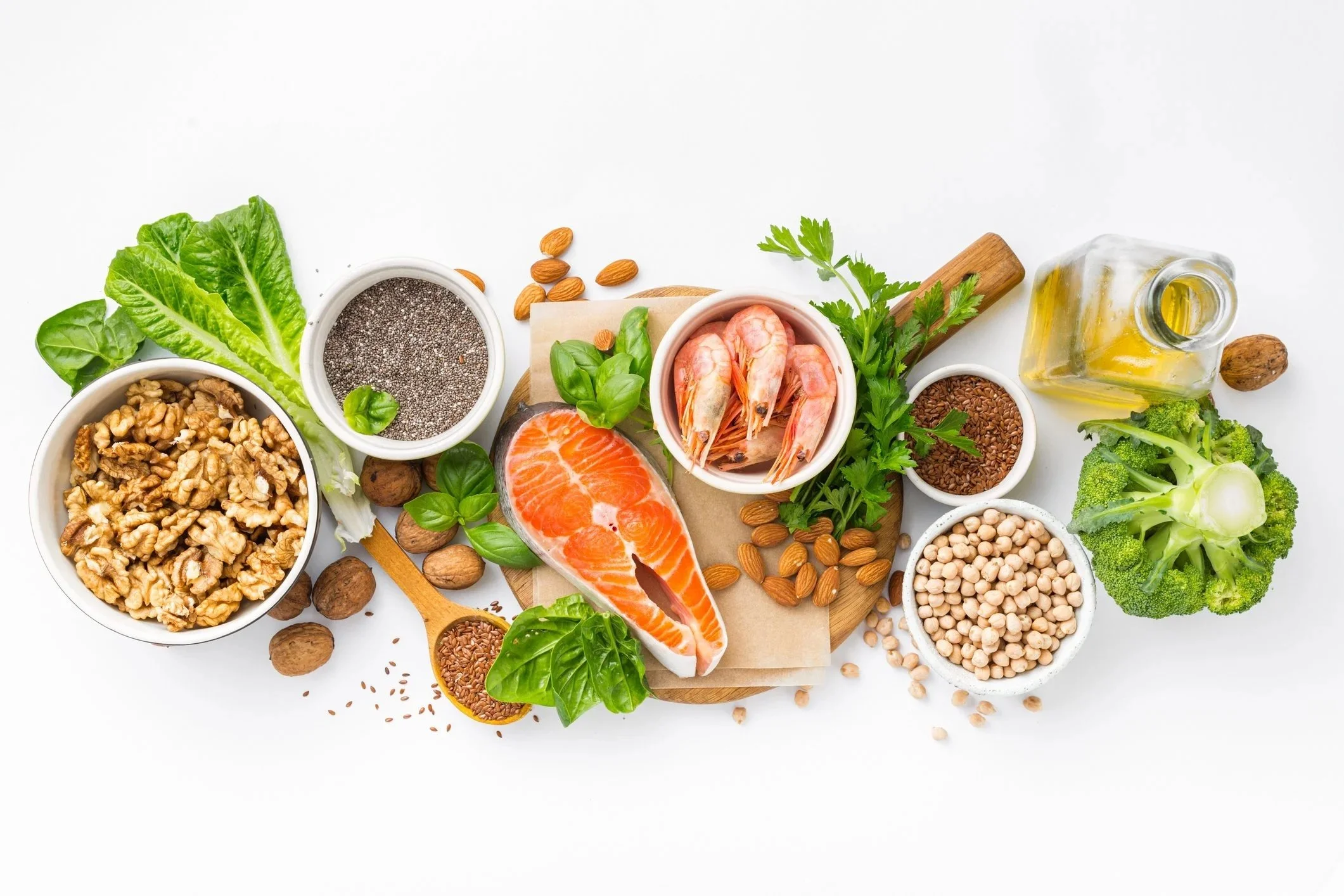
Do you ever feel like your brain is running on low battery… foggy in the morning, tired after lunch, reaching for that next cup of coffee just to stay alert? Coffee may help you feel awake, but it doesn’t actually create energy. It simply blocks the signals telling your brain you’re tired. Deep down, your body is still running on empty because true energy is made inside your cells.
And this quiet exhaustion has become almost normal. Behind that fog and fatigue lies a subtle imbalance: a shortage of the right fats and a lack of the spark that powers every heartbeat and thought. In my practice, when we test, the same pattern appears again and again: low omega-3 levels, chronic inflammation, and tired mitochondria.
People eat well, move, try to rest yet still feel drained, anxious, and inflamed. Even young adults now show inflammation markers that used to appear only in middle age. It’s not just stress or lack of sleep; it’s a deeper imbalance in how our cells are nourished and fueled.
THE QUIET FIRE WITHIN
Decades of low-fat diets and processed convenience foods have left us deficient in the very nutrients our cells depend on to function. Healthy fats are not optional, they’re essential. These are the fatty acids the body cannot make on its own, meaning we must get them from food. Our cells, hormones, and nervous system rely on them every single day.
Without these good fats, the body simply can’t function properly. The membranes that surround every cell are made largely of fatty acids, and their quality determines how flexible, calm, and communicative your cells are. When they’re built from the right fats, your body hums quietly in balance. When they’re not, inflammation takes over.
Inflammation isn’t always loud or painful; it can simmer silently for years - the reason you wake up heavy, your joints ache, your mood dips, or your digestion slows. Among the biological pillars of ageing, inflammation stands out as the most powerful accelerator. Scientists even call it “inflammaging” - a persistent, low-grade inflammation that damages cells, tissues, and metabolism, quietly speeding up every known ageing pathway.
And one of the main sparks that keeps this fire burning is the imbalance between omega-6 and omega-3 fats.
A century ago, we ate them in harmony, about two parts omega-6 to one part omega-3. Today, with industrial oils in almost every packaged food, that ratio has exploded to fifteen or even twenty to one. Too much omega-6 without enough omega-3 drives inflammation deep in our cells.
OMEGA-3: THE PROTECTOR
Omega-3 fats are essential, literally vital for life, yet our bodies can’t make them. They come mainly from wild, fatty fish, the so-called SMASH fish: salmon, mackerel, anchovies, sardines, and herring. These small, cold-water species are naturally rich in the two most active forms of omega-3, EPA and DHA, which build the very walls of your cells. They keep them flexible, improve how your body responds to hormones like insulin and estrogen, and help switch off inflammatory signals.
In the brain, DHA makes up much of the grey matter and retina, the reason omega-3s are vital during pregnancy and childhood when the baby’s brain and eyes are developing. Adults with higher DHA levels show better memory, sharper focus, and lower risk of depression and cognitive decline. In people with Alzheimer’s disease, lower DHA levels are linked to higher amyloid accumulation. A large meta-analysis combining data from over 35 studies found that those who ate the most fish, around 150 grams a day, were up to 30 percent less likely to develop any form of cognitive impairment.
When it comes to mood and mental health, omega-3s play a stabilising role. They help regulate neurotransmitters, reduce brain inflammation, and improve how brain cells communicate. People who eat more oily fish have been shown to have a 17 percent lower risk of depression, and in clinical studies, fish-oil supplementation often helps reduce symptoms of low mood and anxiety, especially when combined with lifestyle changes.
For the heart, omega-3s are equally remarkable. They help reduce triglycerides, regulate blood pressure naturally, and improve the elasticity of blood vessels. For fertility, they improve blood flow to the uterus and ovaries, balance hormones, and in men, enhance sperm quality, motility, and testosterone.
WHY MOST OF US ARE DEFICIENT
Despite all this, nine out of ten people tested today are still deficient in omega-3. Even regular fish eaters often fall short and here’s why.
Over the last century, our food environment has completely changed. Modern diets are flooded with industrial seed oils (sunflower, corn, soybean, grapeseed) which are extremely high in omega-6 fatty acids. These oils are in nearly every processed or packaged product, from salad dressings to “healthy” snacks. Omega-6 fats aren’t inherently bad but in excess, and without enough omega-3 to balance them, they drive silent inflammation throughout the body.
At the same time, the fish we eat have changed. Most fish on our plates today are farmed, not wild. Instead of feeding on marine plankton and algae, they’re raised on grain- and soy-based pellets. And just like humans, fish become what they eat. Their omega-3 content drops dramatically, while omega-6 levels rise, tipping the balance even further toward inflammation.
Plant sources like flax, chia, walnuts, and hemp provide ALA, a plant form of omega-3 that the body must convert into the active forms, EPA and DHA. The problem? That conversion is tiny, often less than 5%, and it’s even lower in people with stress, poor sleep, insulin resistance, or low zinc status.
Vegans and vegetarians can turn to algae oil, a clean and sustainable alternative that provides pre-formed DHA and EPA, the same healthy fats found in wild fish. After all, that’s where fish get theirs in the first place.
DON’T GUESS — TEST
In my practice, I often see the signs of low omega-3 long before we run the test: dry, itchy skin or dandruff, soft or brittle nails, “chicken skin” bumps on the arms, mood swings, anxiety, or constant fatigue. These are all whispers from your cells, saying they’re missing what they need to function. Joint stiffness, poor focus, and slower recovery after exercise are other common clues. With my clients, we never guess, we test. A simple Omega-3 Index blood test reveals your balance between omega-6 and omega-3 and shows whether you’re truly protected. Most people need to eat two to three servings of wild, oily fish weekly to maintain healthy levels. If that’s not realistic, or if your blood levels remain low, a high-quality, sustainably sourced omega-3 supplement can help restore balance.
When this ratio normalises, the results are often profound: sleep improves, energy stabilises, focus returns, and inflammation quiets down.
Not all fish oils are created equal. Poor quality ones are often oxidised or contaminated with heavy metals, you can tell by the fishy smell. Oxidised oil doesn’t calm inflammation; it feeds it.
That’s why I recommend only high-quality, fresh, traceable oils. My favourite formula is Pure Arctic Oil Heart & Energy, sustainably sourced from wild-caught Arctic cod, with organic cold-pressed olive and vitamin D3 for antioxidant protection. What makes it unique is the addition of Kaneka Ubiquinol®, the most bioavailable form of Coenzyme Q10.
COQ10: THE SPARK
The more we learn about the human body, the more we realise how extraordinary it is. One of its quiet miracles is Coenzyme Q10, or CoQ10 - the tiny molecule inside every cell that transforms food and oxygen into energy inside your mitochondria (your internal powerhouses). Think of it as the spark plug of your body: without it, your energy factory simply slows down.
Your body makes CoQ10 naturally, but levels start to decline after age thirty and drop even faster with stress, sleep deprivation, or certain medications like statins. That’s why many people on statins experience fatigue or muscle aches.
Low CoQ10 can show up as brain fog, migraines, muscle weakness, slower recovery after workouts, or that “tired but wired” feeling. Since the highest concentrations are found in the heart, brain, and muscles, these organs are the first to suffer. When your mitochondria can’t produce enough energy, your cells simply can’t perform.
In fact, the heart muscle contains one of the highest concentrations of mitochondria in the entire body, because it never rests. Every single beat requires CoQ10 to create the energy (ATP) that keeps blood moving.
The richest food sources are organ meats (like heart, liver, and kidney), wild cold-water fish (mackerel, sardines, trout), and vegetables such as spinach, broccoli, and cauliflower, as well as nuts and seeds. But even with a balanced diet, it’s almost impossible to reach optimal levels through food alone — you’d need to eat a full kilogram of sardines or five kilograms of broccoli daily to get the equivalent of one dose.
That’s why I often include Ubiquinol, the active, bioavailable form of CoQ10, in my daily longevity must-haves. It’s easily absorbed and directly fuels your mitochondria. Within weeks, many people notice steadier energy, fewer headaches, better focus, and faster recovery after exercise.
Together, omega-3 and CoQ10 form a perfect duo. When both are in balance, your brain sharpens, your heart feels stronger, and even your energy is finally steady again.
THE TAKEAWAY
True energy doesn’t come from caffeine or quick fixes. It comes from healthy, nourished cells, the ones that can breathe, communicate, and produce energy efficiently. When your cell membranes are built from good fats and your mitochondria are fueled with the right nutrients, your body feels it: clear mind, steady energy, calm focus, glowing skin, balanced hormones, and a heart that beats with ease.
But when inflammation, stress, and modern diets take over, those same cells begin to struggle. You may not feel sick, but you’ll feel off: tired, foggy, bloated, moody, or simply “not yourself.” These are often the first whispers from your body that something deeper is out of balance.
The good news is that you can test, not guess. With a simple Omega-3 Index test and key nutrient checks, including magnesium, vitamin D, and essential fatty acids, we can see exactly where your body stands and create a plan to restore balance from within.
Feed your body well. Sleep deeply. Move daily. Surround yourself with calm and sunlight.
If you’ve been feeling low in energy, unfocused, or inflamed, it might be time to look deeper.
You don’t have to guess. I can help you test your omega-3 levels, interpret the results, and find your unique balance through real food, targeted nutrients, and sustainable habits.
To learn more or book your personalised consultation, get in touch with me, together we can find what your body truly needs to thrive.
Anna @Waterlemon Health