
Why 2026 is the year of gut health
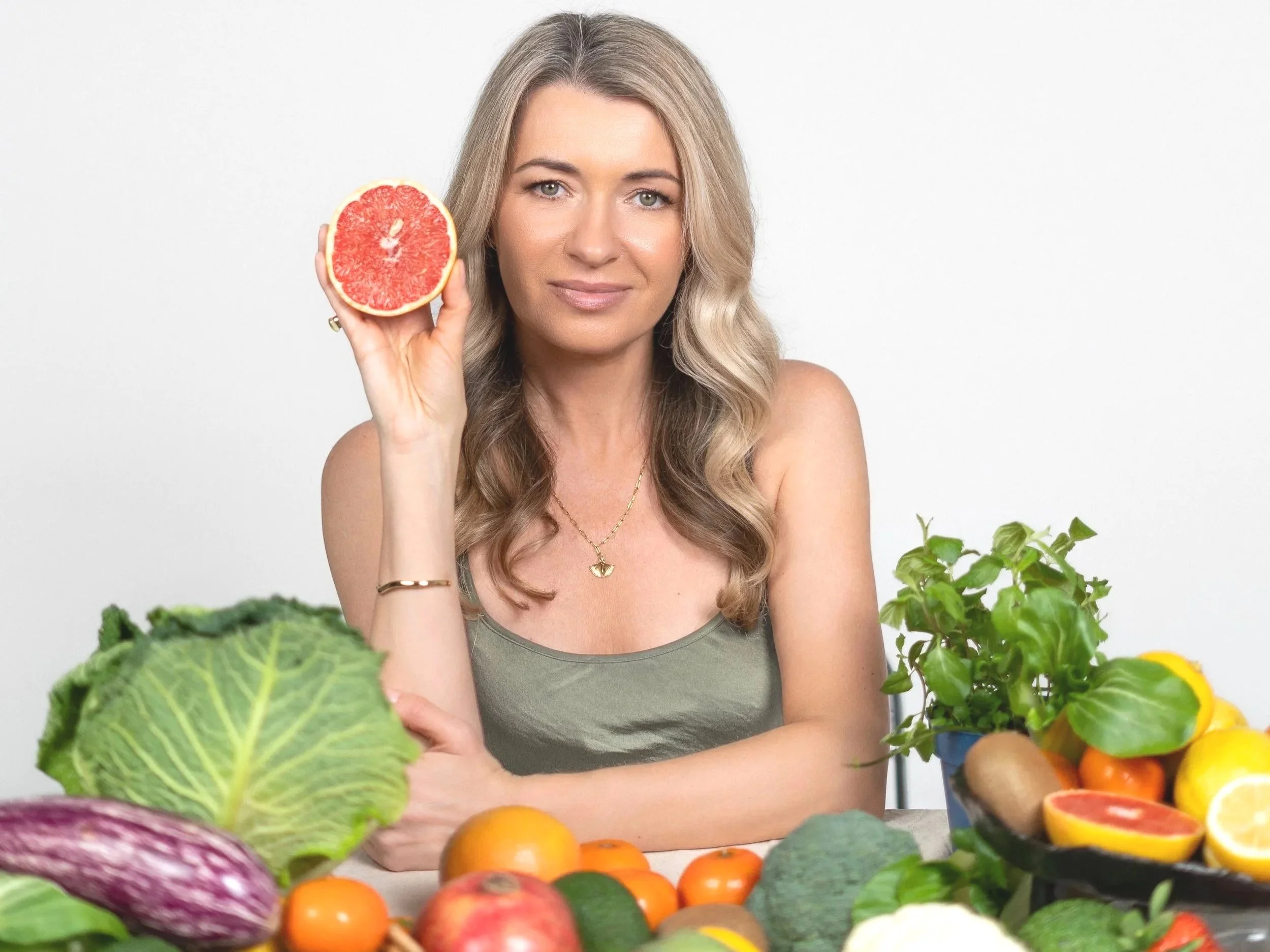
How Fiber, the Microbiome and Plant Diversity Support Weight, Mood and Longevity
January has a very specific energy.
A mix of hope, pressure, and the quiet belief that this year we should finally “get it right.”
Reset the body.
Fix the habits.
Undo December.
But here’s the thing most of us are tired of admitting: health is not built through dramatic changes. It’s built through daily conversations with the body and the gut is where that conversation begins.
As we move into 2026, nutrition science has become surprisingly clear about one thing: gut health is not a niche topic anymore. It’s central. To longevity. To mental health. To weight regulation. To hormone balance. To how resilient you feel in everyday life.
This is why, for me, 2026 is the year of gut health and fiber.
The Microbiome: Your Most Underrated Organ
Inside your gut lives a vast ecosystem of trillions of microorganisms — your microbiome. For a long time, we thought of these microbes as passive helpers for digestion. Today, we know better.
Your microbiome influences how your immune system reacts, how inflamed your body is, how efficiently you regulate blood sugar, and how your brain processes stress and emotion. Around 70% of your immune system is linked to the gut, and the communication between gut and brain, the gut–brain axis, is now one of the most studied areas in modern nutrition science.
This is why gut health is increasingly discussed in relation to anxiety, depression, fatigue, metabolic health, fertility and even healthy aging.
Large population studies and personalised nutrition research, consistently show that people with a diverse and well-fed microbiome tend to have better metabolic health, lower inflammation and more resilience over time.
In other words, the gut doesn’t just reflect health, it actively shapes it.
Why Fiber Suddenly Matters So Much
Fiber has had a branding problem.
For years, it was reduced to “digestive regularity,” which didn’t exactly make it exciting.
But fiber is now one of the most talked-about nutrients in longevity and metabolic research and for good reason.
Fiber is the primary fuel for beneficial gut bacteria. When those bacteria ferment fiber, they produce compounds that help regulate appetite hormones (including GLP-1), stabilise blood sugar, reduce chronic inflammation and support the integrity of the gut lining. These same processes influence weight regulation, energy levels and even brain health.
This is why many people notice something interesting when they increase fiber intake: cravings soften, appetite becomes more stable, and weight regulation feels less like a battle without dieting, fasting or white-knuckled willpower.
The body responds not to restriction, but to nourishment.
Diversity: The Quiet Superpower
One of the most consistent findings in gut research is that diversity matters more than perfection.
Different plants contain different fibers and phytonutrients. Different fibers feed different microbes. A diverse microbiome is more resilient — better able to adapt to stress, illness, hormonal shifts and aging.
30 + 30
Around 30 grams of fiber per day, and roughly 30 different plant foods per week.
This isn’t a rigid rule or a challenge to “win.” It’s a helpful direction. Vegetables, fruit, legumes, whole grains, nuts, seeds and herbs all count. Suddenly, eating well becomes less about avoiding foods and more about curiosity: What can I add today?
A new vegetable.
A different color.
A handful of seeds.
An herb you haven’t used in a while.
Small additions create meaningful biological change often faster than people expect. The microbiome can begin shifting within days, responding rapidly to changes in diet.
Food as Medicine
I often say this to my clients, half seriously and half with a smile: your kitchen is your pharmacy.
Not because food “fixes everything,” but because daily food choices send powerful signals to the body. Signals about safety, nourishment, balance and repair.
This is the essence of a holistic approach to nutrition. Not control. Not punishment. But partnership with the body.
Just real food, eaten regularly, with enough fiber, enough protein and healthy fats, and enough variety to support both body and mind.
If there is one intention worth keeping in 2026, it’s this: add before you subtract.
Add plants to every meal.
Add colour to your plate.
Build balanced plates with seasonal plants, quality protein and healthy fats and let consistency do the rest.
Health, longevity and balance are not built in January, but January can be a beautiful place to begin.
If you’re not sure where to begin, you can book a consultation with me via the contact page.